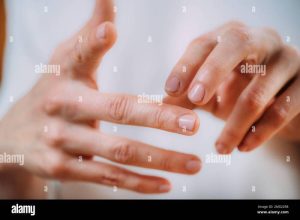
Step into the world of Emotional Freedom Technique healing, where tapping into your emotions takes on a whole new meaning. Get ready for an enlightening journey filled with insights and practical tips to help you harness the power within.
Discover the ancient roots and modern applications of EFT as we delve into its principles, techniques, and transformative benefits.
Introduction to Emotional Freedom Technique (EFT)

Emotional Freedom Technique (EFT) is a form of alternative therapy that aims to address emotional distress and physical pain by tapping on specific meridian points on the body while focusing on the issue at hand. The primary purpose of EFT is to alleviate negative emotions, reduce stress, and promote emotional well-being.
History and Evolution of EFT
Originally developed by Gary Craig in the 1990s, EFT is based on the principles of acupuncture, psychology, and neuro-linguistic programming. Over time, EFT has gained popularity and acceptance in the field of holistic healing, with various practitioners and researchers exploring its potential benefits.
Principles of EFT and its Difference from Traditional Therapy
- EFT operates on the belief that emotional distress is caused by disruptions in the body’s energy system, which can be rebalanced through tapping on specific points.
- Unlike traditional therapy that focuses on lengthy discussions and analysis, EFT aims to address issues directly by targeting the underlying emotional triggers through physical tapping.
- The combination of psychological exposure and physical stimulation in EFT is thought to create a powerful shift in one’s emotional state, leading to relief from negative emotions and improved mental well-being.
Techniques Used in EFT
EFT combines the principles of acupuncture and psychology to address emotional issues and promote healing. The technique involves tapping on specific points on the body while focusing on the issue at hand. Let’s delve into the specific techniques used in EFT.
Tapping Points in EFT
- The top of the head: Represents connection and openness.
- Between the eyebrows (third eye): Promotes clarity and insight.
- Side of the eye: Enhances perspective and awareness.
- Under the eye: Signifies emotional balance and release.
- Under the nose: Encourages acceptance and peace.
- Chin point: Symbolizes grounding and stability.
- Collarbone point: Represents safety and security.
- Under the arm: Facilitates comfort and relaxation.
- Wrists (Karate chop point): Reinforces self-empowerment and affirmation.
Affirmations and Statements in EFT
Affirmations play a crucial role in EFT sessions by helping to reframe negative beliefs and thoughts. By combining positive affirmations with tapping, individuals can shift their mindset and release emotional blockages. Statements used in EFT focus on acknowledging the issue, accepting oneself, and embracing the potential for change and healing.
Visualization and Mindfulness in EFT
Visualization techniques are often incorporated into EFT practices to enhance the effectiveness of the process. By visualizing a positive outcome or desired state while tapping, individuals can amplify the healing effects of EFT. Mindfulness practices, such as focusing on the present moment and staying attuned to one’s emotions during tapping, help deepen the connection between the mind and body, facilitating emotional release and balance.
Benefits of Emotional Freedom Technique Healing
Emotional Freedom Technique (EFT) offers a variety of benefits for mental health and emotional well-being. This technique involves tapping on specific meridian points on the body while focusing on the negative emotion or issue at hand. Here are some of the common benefits of EFT healing:
Addressing Common Mental Health Issues
- Reducing anxiety and stress levels
- Alleviating symptoms of depression
- Managing phobias and fears
- Improving self-esteem and self-confidence
Personal Stories and Testimonials
“After practicing EFT regularly, I noticed a significant decrease in my anxiety levels and a greater sense of calmness in my everyday life. It has truly been a life-changing tool for me.” – Sarah
“EFT helped me overcome my fear of public speaking, allowing me to confidently share my ideas and communicate effectively in professional settings.” – John
Self-Help Tool for Managing Emotions
- Empowering individuals to take control of their emotional well-being
- Providing a simple and accessible technique for managing stress and negative emotions
- Offering a way to release emotional blockages and traumas
EFT in Practice

In this section, we will delve into the practical aspects of Emotional Freedom Technique (EFT) and how to incorporate it into your daily routine for healing and emotional well-being.When it comes to performing EFT tapping, beginners can follow these simple steps:
Step-by-Step Guide to EFT Tapping
- Calm your mind and focus on the specific issue you want to address.
- Identify the emotional or physical discomfort you are feeling.
- Rate the intensity of this discomfort on a scale from 0 to 10.
- Begin by tapping on the Karate Chop point on the side of your hand while repeating a setup statement that acknowledges the issue.
- Proceed to tap on the specific meridian points while repeating reminder phrases related to the issue.
- Continue tapping through all the points until you feel a sense of relief or the intensity of discomfort decreases.
- Reassess the intensity level and continue tapping if needed until you reach a lower level or feel a sense of calm.
- End with a positive affirmation or statement of self-acceptance.
Comparing EFT with Other Healing Modalities
- EFT focuses on addressing emotional issues through a combination of tapping on meridian points and psychological techniques, whereas other modalities may use different approaches such as energy healing, talk therapy, or medication.
- Unlike traditional talk therapy, EFT allows individuals to actively participate in their healing process by tapping on specific points to release emotional blockages.
- Compared to medication, EFT is a non-invasive and holistic approach that aims to address the root cause of emotional distress rather than just treating symptoms.
- While energy healing modalities like Reiki also work with the body’s energy system, EFT combines physical tapping with cognitive reframing techniques to create a comprehensive healing experience.
Tips for Integrating EFT into Daily Self-Care Routines
- Set aside dedicated time each day to practice EFT tapping, whether it’s in the morning to start your day or in the evening to unwind and release stress.
- Keep a journal to track your progress and note any shifts in your emotional well-being after practicing EFT regularly.
- Use EFT as a tool for managing daily stressors, anxiety, or negative emotions by tapping on specific points whenever you feel overwhelmed or triggered.
- Explore guided EFT sessions or online resources to deepen your understanding of the technique and discover new ways to incorporate it into your self-care routine.
Ultimate Conclusion
As we bid farewell to this exploration of Emotional Freedom Technique healing, remember that true emotional liberation is just a tap away. Embrace the practice, unlock your potential, and embark on a fulfilling journey towards holistic well-being.
User Queries
Can anyone learn and practice EFT on their own?
Absolutely! EFT is a simple technique that can be easily learned and applied by anyone interested in exploring emotional healing.
Is EFT only effective for addressing emotional challenges?
While EFT is commonly used for emotional issues, it has also shown benefits in addressing physical pain, phobias, and even improving performance in various areas of life.
How long does it usually take to see results with EFT?
The effectiveness of EFT can vary from person to person, but some individuals report feeling immediate relief after a session, while others may experience gradual improvement over time.
Can EFT be combined with other healing modalities?
Absolutely! EFT can complement other healing practices such as meditation, yoga, acupuncture, and more to enhance overall well-being and emotional balance.